
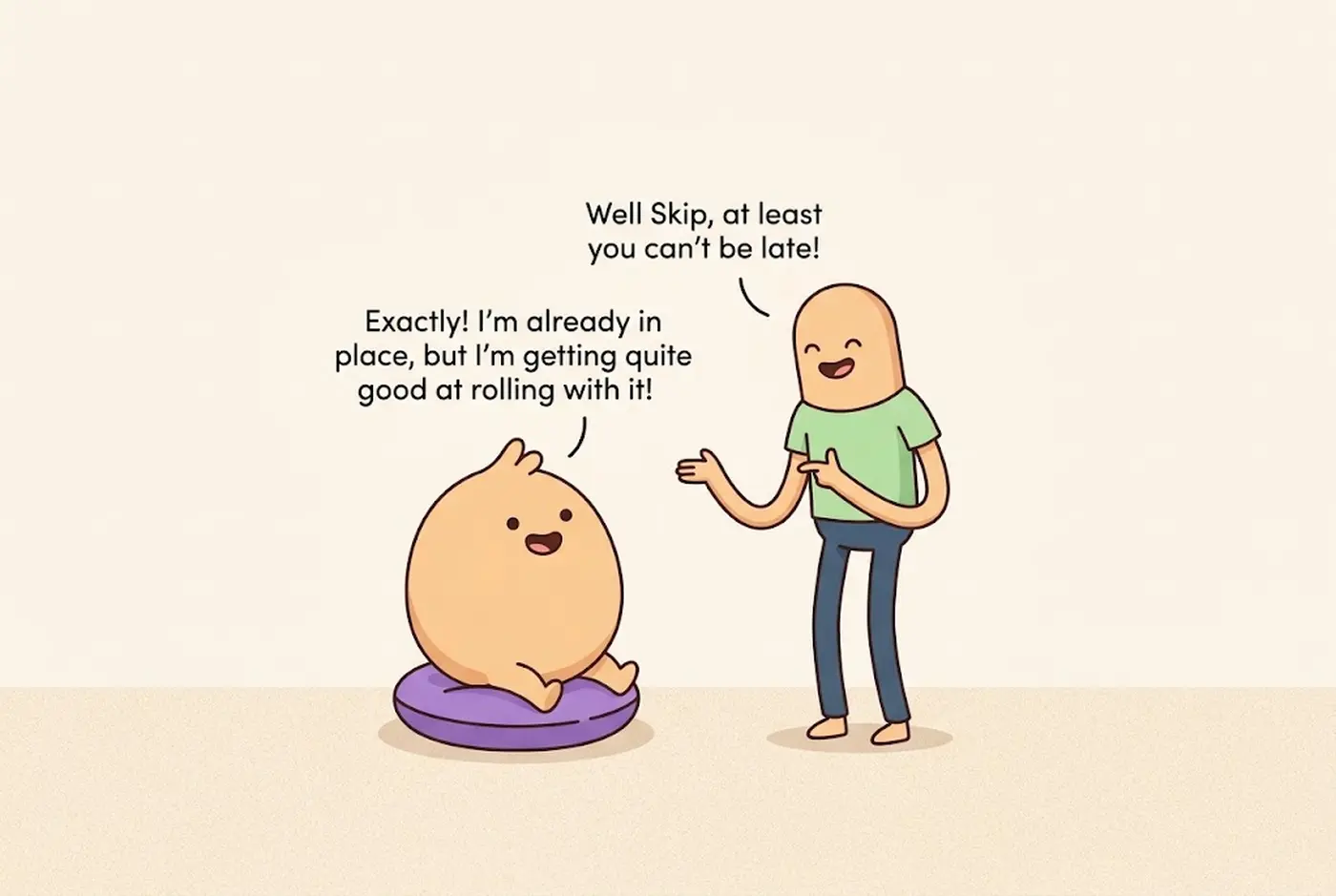
No arms and legs jokes have a long history of clever wordplay, unexpected punchlines, and wonderfully silly setups. Whether you want a quick laugh, a funny caption, or something to share with friends, these jokes keep the humor focused on language and absurd situations.
Why do these jokes work so well? The best ones rely on surprise, wordplay, and playful storytelling rather than complicated setups. A short line can turn an ordinary situation into a memorable punchline.
So, if you’re searching for funny legs jokes, classic one-liners, clean puns, or witty jokes to share, you’re in the right place. Let’s get straight to the laughs!
Classic No Arms and Legs Jokes
Classic jokes are classics for a reason. These quick setups use wordplay, simple imagery, and unexpected endings that make them perfect for sharing.
- What do you call a man with no arms and no legs in a mailbox? Bill.
- What do you call a man with no arms and no legs in a tree? Branch.
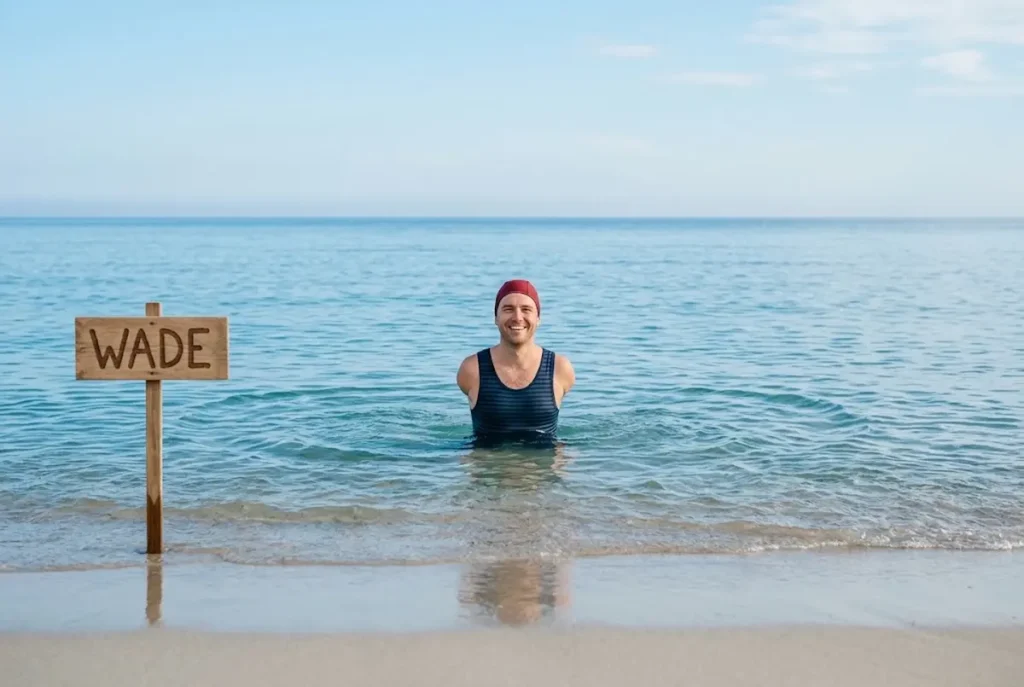
- What do you call a man with no arms and no legs in the ocean? Wade.
- What do you call a man with no arms and no legs at the beach? Sandy.
- What do you call a man with no arms and no legs in a bakery? Roll.
- What do you call a man with no arms and no legs at a barbecue? Grill.
- What do you call a man with no arms and no legs in a garden? Bud.
- What do you call a man with no arms and no legs in a pond? Rick.
- What do you call a man with no arms and no legs in a river? Current.
- What do you call a man with no arms and no legs in a canoe? Paddle.
- What do you call a man with no arms and no legs in a hammock? Swing.
- What do you call a man with no arms and no legs on a sofa? Cushion.
- What do you call a man with no arms and no legs in a bathtub? Tubby.
- What do you call a man with no arms and no legs at the gym? Stationary.
Pro Tip: Use the shortest classics as captions, text messages, or quick icebreakers. The faster the setup, the better the surprise.
Funny No Arms and Legs One-Liners
One-liners work because they get straight to the punchline. These are especially handy when you need a quick joke without a long setup.
- I told a no-arms-and-legs joke, but it didn’t have much of a leg to stand on.
- That joke had no legs, yet somehow it still went places.
- I tried to make the joke walk, but it had other plans.
- My no-arms-and-legs joke needed a hand, but nobody volunteered.
- That punchline was going nowhere—and it had excellent reason.
- I wrote a joke with no legs. It never went anywhere.
- I gave the joke a hand. It still couldn’t manage the situation.
- Some jokes stand tall. This one starts from the ground.
- That joke has no legs, but it still runs the conversation.
- I wanted a joke with legs, but this one refused to stand.
- The joke needed support, so I gave it a punchline.
- I asked the joke to move along. It said, “That’s complicated.”
- This joke doesn’t walk the line. It sits beside it.
- The punchline arrived late because it had nowhere to walk from.
- I told a joke without legs. It was completely stationary.
- This joke has no arms, but it still gives me a laugh.
- That pun couldn’t stand up to criticism, but it could sit through it.
- I tried to give the joke some direction. It stayed put.
- This joke has no legs, yet somehow it keeps running through my head.
- A joke without legs is still allowed to have a great punchline.
Pro Tip: One-liners work especially well as social captions because readers can understand the setup and punchline in seconds.
No Jokes About Names
Name-based jokes are a staple of this style because the name itself becomes the punchline. They’re simple, memorable, and easy to retell.
- What do you call a man with no arms and no legs in the pool? Bob.
- What do you call him when he’s at the door? Matt.
- What do you call him in a pile of leaves? Russell.
- What do you call him floating in the ocean? Wade.
- What do you call him in the mailbox? Bill.
- What do you call him under a tree? Branch.
- What do you call him at the beach? Sandy.
- What do you call him beside the river? Brook.
- What do you call him in the garden? Bud.
- What do you call him near the shore? Sandy.
- What do you call him in the middle of a field? Field.
- What do you call him sitting beside the road? Lane.
- What do you call him at the bakery? Roll.
- What do you call him beside the grill? Charcoal.
- What do you call him in the coffee shop? Grounds.
- What do you call him in the woods? Forest.
- What do you call him beside the stream? Brook.
- What do you call him in a hammock? Swing.
- What do you call him near a gate? Porter.
- What do you call him in a chair? Seat.
Pro Tip: Name jokes are excellent for family gatherings. Tell the setup first, pause briefly, and let the punchline land.
No Arms and Legs Jokes About Places
Put a clever character in an unexpected location and suddenly the setting becomes the punchline. These jokes rely on location-based wordplay.
- What do you call a man with no arms and no legs in the ocean? Wade.
- What do you call him in the swimming pool? Bob.
- What do you call him at the front door? Matt.
- What do you call him in the garden? Bud.
- What do you call him in the woods? Forest.
- What do you call him beside a stream? Brook.
- What do you call him on the beach? Sandy.
- What do you call him in a bakery? Roll.
- What do you call him in a mailbox? Bill.
- What do you call him beneath a tree? Branch.
- What do you call him beside a river? Current.
- What do you call him at the train station? Platform.
- What do you call him at the airport? Terminal.
- What do you call him at the bus stop? Stationary.
- What do you call him in a hammock? Swing.
- What do you call him on a sofa? Cushion.
- What do you call him in a bathtub? Tub.
- What do you call him in a field? Meadow.
- What do you call him in a parking lot? Spot.
- What do you call him beside a fence? Post.
Pro Tip: Location-based jokes make great party games. Give friends the location and challenge them to invent the punchline.
No Arms and Legs Puns About Movement
Movement gives these jokes a funny twist because the punchline often depends on words such as “run,” “stand,” “walk,” or “move.”
- I told a no-arms-and-legs joke, but it never got off the ground.
- That joke couldn’t walk away from a good punchline.
- I asked the joke to run with the idea. It stayed put.
- The punchline wanted to move forward, but the setup stopped it.
- That joke had no legs, but it still had momentum.
- I told a joke about standing. It immediately sat down.
- The joke tried to walk the line, but the line moved.
- I asked the punchline to take a step forward. It declined.
- That joke never traveled far, but it had a good destination.
- The joke was going nowhere fast.
- I told it to keep moving. It said, “I’m already committed to staying here.”
- The punchline took the long route because shortcuts were unavailable.
- That joke had no legs, but it still made a strong entrance.
- I asked the joke to stand by its point. It stayed seated.
- This punchline doesn’t run; it delivers.
- The joke needed a push, so I gave it a better setup.
- The punchline took one step and called it progress.
- That joke may not walk, but it certainly travels online.
- I told the joke to move along. It became a stationary pun.
- Sometimes a joke doesn’t need legs to go viral.
Pro Tip: These movement puns work nicely as short captions because each one delivers a complete idea without extra explanation.
Clean Puns for Kids and Families
Want the wordplay without anything too edgy? These clean jokes keep the language playful and suitable for family conversations.
- Why didn’t the joke walk home? It had no legs.
- Why did the punchline stay seated? It had nowhere else to go.
- What did the joke say about walking? “I’ll pass.”
- Why did the pun stay at home? It preferred being stationary.
- What do you call a joke that never moves? A standstill punchline.
- Why didn’t the joke join the race? It was already out of the running.
- What did the joke say when asked to move? “That’s above my setup.”
- Why did the pun sit quietly? It was waiting for the right punchline.
- What did the joke say about taking a step? “Let’s not rush this.”
- Why did the punchline stay put? It liked its position.
- What do you call a joke that never travels? A local pun.
- Why did the joke miss the bus? It never made a move.
- Why did the punchline sit down? It had a lot to process.
- Why did the pun refuse to run? It didn’t want to overdo the setup.
- Why did the joke stay near the chair? It had good seating arrangements.
- Why did the punchline avoid the race? It preferred a slow reveal.
- Why did the joke choose the sofa? It wanted a comfortable delivery.
- Why did the pun stay in one place? It had a strong point.
- Why did the joke skip the marathon? It was more of a one-liner.
- Why did the punchline stay home? It knew the laugh would come to it.
Pro Tip: Use these clean jokes at family dinners, school events, or kids’ parties where simple wordplay gets everyone involved.
No Arms and Legs Jokes About Everyday Life
Everyday situations become much funnier when a simple phrase gets a clever twist. These jokes turn ordinary objects and routines into punchline material.
Why should daily life have all the fun?
- A no-arms-and-legs joke went shopping and came home with nothing but a good receipt.
- The joke went to work and became the office stationary.
- The punchline sat at the table and waited for dinner.
- The joke ordered coffee and asked for a standing refill.
- The punchline went shopping for shoes and left disappointed.
- The joke visited the furniture store and found a perfect seat.
- The pun went to the gym and chose the stationary bike.
- The joke got a job at the desk because it was already stationary.
- The punchline went to the kitchen and became the counterpoint.
- The joke visited the garden and met Bud.
- The pun went to the beach and found Sandy.
- The joke visited the river and met Wade.
- The punchline went to the mailbox and met Bill.
- The joke visited the bakery and ordered a roll.
- The pun went to the coffee shop and asked for Grounds.
- The joke visited the forest and met Branch.
- The punchline went to the door and met Matt.
- The joke sat on the sofa and became part of the furniture.
- The pun went to the pool and started calling itself Bob.
- The joke went home because even punchlines need a place to stay.
Pro Tip: Everyday-life jokes work well in casual conversations because you can connect them to whatever is happening around you.
No Arms and Legs Jokes With Wordplay
Wordplay is where this genre really shines. A single word can have two meanings, and that tiny switch can create the entire punchline.
- I told a joke with no legs. It still had a strong point.
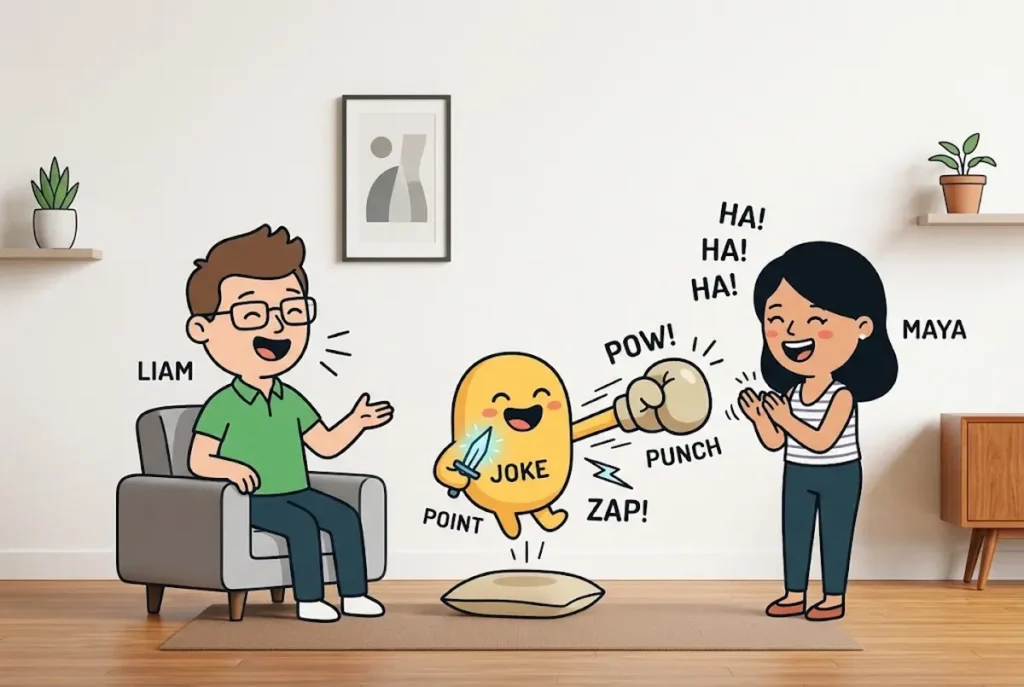
- The joke had no arms, but it had plenty of punch.
- A stationary joke is just a punchline that knows its place.
- I wanted the joke to stand out, but it preferred to sit in.
- That pun had no legs, but it certainly had a run.
- The joke had no hands, but it still had a great punch.
- A joke without legs doesn’t walk away from responsibility.
- That punchline was grounded from the beginning.
- The joke couldn’t stand the criticism, so it sat through it.
- I asked the pun to give me a hand. It gave me a punchline instead.
- The joke had no legs, so it took a shortcut through wordplay.
- That pun stayed grounded and still reached the top.
- The punchline had a firm position on sitting down.
- The joke couldn’t walk the talk, so it talked the walk.
- A good pun doesn’t need legs to travel far.
- The joke was stuck, but at least it was well-written.
- That punchline stayed in place and still moved the audience.
- The joke had no hands, but it knew how to handle a setup.
- The pun had no legs, but it had excellent timing.
- The punchline didn’t move, yet everyone went with it.
Pro Tip: Highlight the double-meaning word when sharing these online. It helps readers spot the wordplay instantly.
Short Giggles for Social Media
Short jokes are perfect for posts, captions, comments, and messages. The best social-media humor often needs only one setup and one sharp punchline.
- No legs? No problem. Just keep the punchline moving.
- This joke has no legs, but it still stands out.
- No arms, no legs, no shortage of puns.
- My joke has no legs. It still went viral.
- A joke without legs? That’s a stationary situation.
- No hands, but plenty of punch.
- No legs, but excellent timing.
- This pun is grounded.
- The joke never moved, but everyone laughed.
- No legs, just leg-endary wordplay.
- This joke doesn’t walk. It delivers.
- The punchline stayed put and still landed.
- No arms? It’s still a hands-down funny pun.
- No legs? It’s still ahead of the game.
- A stationary joke with moving results.
- The punchline doesn’t travel—it arrives.
- This joke has no legs, but it has mileage.
- No legs, no problem, just wordplay.
- The joke stayed seated and stole the scene.
- Sometimes the funniest jokes never move an inch.
Pro Tip: Keep social captions short and place the punchline after a line break when possible. The pause improves timing.
Silly No Arms and Legs Jokes
Sometimes the simplest jokes are the easiest to remember. These silly setups lean into harmless absurdity and playful exaggeration.
- Why did the joke bring a chair? It wanted somewhere to sit.
- Why did the pun buy a map? It was going nowhere.
- Why did the punchline visit a shoe store? It wanted to browse.
- Why did the joke enter the race? It misunderstood the invitation.
- Why did the pun visit the gym? It wanted to try the stationary bike.
- Why did the joke buy a treadmill? It liked the idea.
- Why did the punchline sit near the door? It wanted an easy exit.
- Why did the joke visit the beach? It heard Sandy was there.
- Why did the pun visit the river? It wanted to meet Wade.
- Why did the joke visit the pool? It was looking for Bob.
- Why did the punchline visit the garden? It heard Bud was growing.
- Why did the joke visit the mailbox? Bill was expecting it.
- Why did the pun visit the bakery? It wanted a roll.
- Why did the joke visit the forest? Branch invited it.
- Why did the punchline visit the front door? Matt was waiting.
- Why did the joke visit the coffee shop? Grounds for laughter.
- Why did the pun sit on the sofa? It had excellent support.
- Why did the joke stay home? It had no transportation plan.
- Why did the punchline refuse to move? It liked its current position.
- Why did the joke sit quietly? It was saving itself for the punchline.
Pro Tip: Silly jokes work well with children because the setups are easy to understand and the punchlines rely on familiar words.
Knock-Knock Style Jokes
Knock-knock jokes give wordplay an extra layer because the reader expects a familiar pattern. These versions keep the format quick and playful.
- Knock, knock. Who’s there? Matt. Matt who? Matt at the door.
- Knock, knock. Who’s there? Bill. Bill who? Bill in the mailbox.
- Knock, knock. Who’s there? Bob. Bob who? Bob in the pool.
- Knock, knock. Who’s there? Wade. Wade who? Wade in the water.
- Knock, knock. Who’s there? Sandy. Sandy who? Sandy at the beach.
- Knock, knock. Who’s there? Bud. Bud who? Bud in the garden.
- Knock, knock. Who’s there? Branch. Branch who? Branch in the tree.
- Knock, knock. Who’s there? Roll. Roll who? Roll from the bakery.
- Knock, knock. Who’s there? Brook. Brook who? Brook beside the stream.
- Knock, knock. Who’s there? Grounds. Grounds who? Grounds at the coffee shop.
- Knock, knock. Who’s there? Stationary. Stationary who? Stationary right here.
- Knock, knock. Who’s there? Seat. Seat who? Seat right here.
- Knock, knock. Who’s there? Cushion. Cushion who? Cushion waiting for a laugh.
- Knock, knock. Who’s there? Spot. Spot who? Spot me by the parking lot.
- Knock, knock. Who’s there? Post. Post who? Post by the fence.
- Knock, knock. Who’s there? Swing. Swing who? Swinging by the hammock.
- Knock, knock. Who’s there? Tub. Tub who? Tub waiting in the bathroom.
- Knock, knock. Who’s there? Field. Field who? Fielding questions all day.
- Knock, knock. Who’s there? Lane. Lane who? Lane beside the road.
- Knock, knock. Who’s there? Current. Current who? Current situation: another pun.
Pro Tip: Tell knock-knock jokes aloud and pause before the final line. The tiny pause gives the listener time to anticipate the punchline.
Clever No Arms and Legs Jokes for Quick Laughs
We’re ending with a final collection of quick jokes that mix puns, wordplay, absurd situations, and short punchlines.
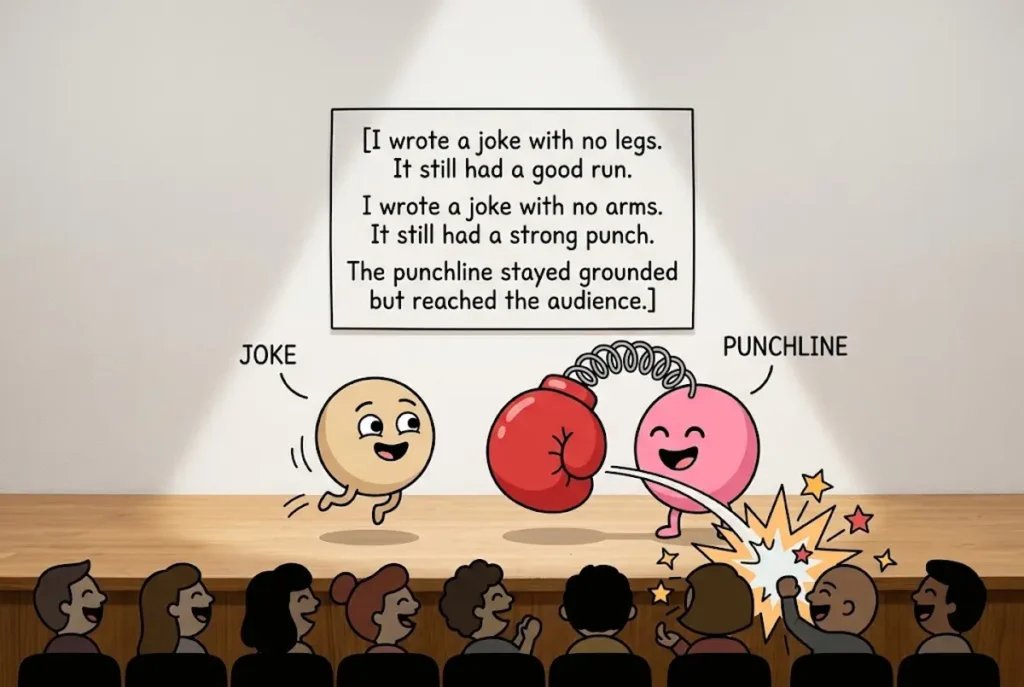
- I wrote a joke with no legs. It still had a good run.
- I wrote a joke with no arms. It still had a strong punch.
- The punchline stayed grounded but reached the audience.
- That joke never moved, yet it traveled everywhere online.
- The pun was stationary but never boring.
- A joke without legs can still have plenty of mileage.
- The joke sat down and immediately found its position.
- The punchline had no hands but handled the setup perfectly.
- The joke couldn’t walk away, so it stayed for another laugh.
- I asked the pun to move forward. It preferred wordplay.
- That joke didn’t stand up, but the punchline did.
- The punchline was grounded from the first sentence.
- A joke without legs doesn’t need directions.
- The pun never moved, but it made an impression.
- The joke had no hands, yet it delivered a punch.
- The punchline stayed seated and still stole the show.
- That joke didn’t walk into the room—it arrived as a pun.
- The joke had nowhere to go, so it went straight to the punchline.
- Some jokes travel by car; this one travels by wordplay.
- No arms, no legs, and still plenty of laughs to go around.
Pro Tip: Save your favorite three jokes in your phone. They make easy conversation starters, captions, and quick replies when someone asks for a joke.
Conclusion
The best no arms and legs jokes rely on clever language, surprising connections, and short punchlines rather than complicated storytelling. That makes them easy to remember and even easier to share.
From classic name jokes to clean family-friendly puns, these jokes show how one clever word can transform an ordinary setup into a memorable laugh. Whether you need a caption, party joke, text-message punchline, or quick icebreaker, there’s plenty here to choose from.
Which no arms and legs joke made you laugh the most? Share your favorite in the comments, send one to a friend, or challenge someone else to come up with a better punchline!
Frequently Asked Questions (FAQs)
Why are jokes popular?
They are popular because many rely on short setups and familiar words with unexpected meanings. That makes them easy to remember, retell, and share.
Are puns suitable for kids?
Some are suitable for kids, particularly clean wordplay that focuses on names, places, and everyday objects. Parents, teachers, and caregivers can choose jokes appropriate for their audience.
What makes a good no arms and legs joke?
A strong joke usually has a short setup, a clear word association, and a surprising punchline. Timing also matters, especially when telling the joke aloud.
Can I use these jokes as social media captions?
Yes. Short puns and one-liners work especially well as social captions, comments, text messages, and quick replies.
What are some common themes in these jokes?
Common themes include names such as Bob, Matt, Bill, Wade, and Sandy, along with places, movement, furniture, food, nature, and everyday objects.
Are these jokes based on wordplay?
Yes. Much of the humor comes from puns, double meanings, literal interpretations, names, and unexpected connections between words.
